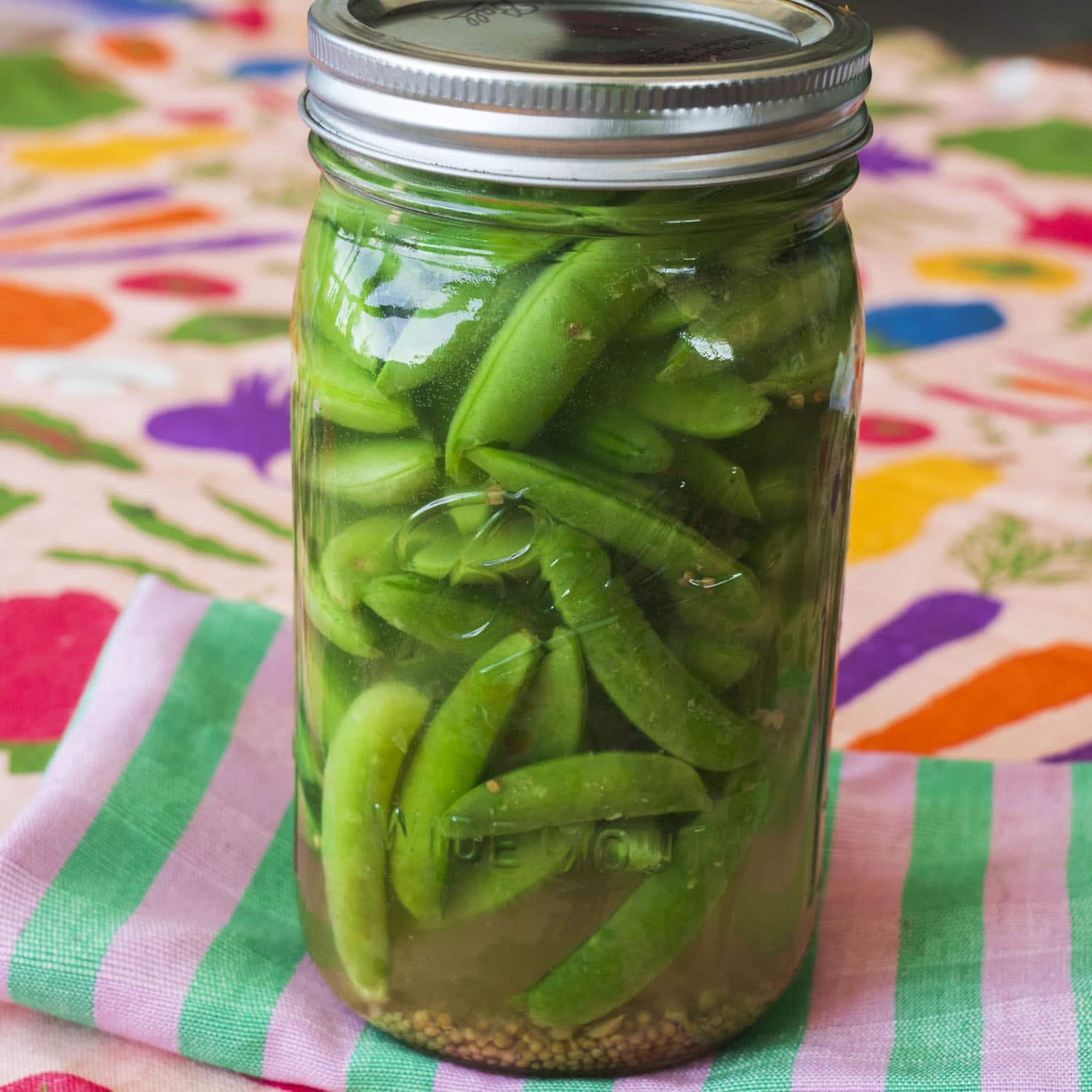
Crisp & Sweet: Your Ultimate Guide to Pickling Sugar Snap Peas
Imagine a burst of spring freshness, captured in a jar, ready to add a vibrant crunch and a zesty tang to any meal. That's the magic of
pickled sugar snap peas! These delightful legumes, known for their inherent sweetness and satisfying pop, transform beautifully when introduced to a simple brine. Far from the sad, mushy peas of childhood, pickled sugar snap peas retain their delightful texture and gain an irresistible zing that makes them perfect for snacking, salads, or elevating your favorite dishes. If you've never considered pickling these garden gems, prepare to discover a new favorite.
Why Pickle Sugar Snap Peas? The Allure of the Brine
Sugar snap peas are a true seasonal treat. Their brief window of availability makes us crave ways to enjoy their crispness and sweet flavor long after the harvest. Pickling isn't just a preservation method; it's a flavor amplifier.
*
Unmatched Texture: Unlike some vegetables that soften significantly when pickled, sugar snap peas miraculously maintain, and even enhance, their crispness. The pickling process seems to fortify their pods, resulting in an incredibly satisfying snap with every bite.
*
Flavor Transformation: The natural sweetness of the peas finds a perfect counterpoint in the acidic, salty, and often subtly sweet brine. The result is a complex, refreshing flavor profile that dances on the palate.
*
Versatility: These little flavor bombs are incredibly versatile. They make an excellent addition to charcuterie boards, a vibrant garnish for grilled meats or fish, a zesty component in grain bowls, or simply a delightful snack straight from the jar.
*
Ease of Preparation: You might think pickling is a complicated affair, but for quick-pickled sugar snap peas, it's remarkably straightforward. Many recipes promise delicious results in as little as 24 hours – no need to wait weeks!
Crafting the Perfect Brine: Your Foundation for Flavor
The heart of any successful pickle lies in its brine. For
pickled sugar snap peas, a balanced brine brings out their best qualities. The basic formula is incredibly simple, relying on a few key ingredients.
Essential Brine Components
*
Vinegar: White distilled vinegar is the most common choice due to its clean, sharp acidity that won't interfere with the peas' delicate flavor. However, don't hesitate to experiment with apple cider vinegar for a slightly fruitier note or white wine vinegar for a milder tang. Just be mindful that darker vinegars might alter the peas' vibrant green color.
*
Water: Cold water is added to dilute the vinegar to the appropriate acidity level for safe and flavorful pickling. Some recipes call for adding cold water *after* heating the vinegar, sugar, and salt, which helps cool the brine faster.
*
Salt: Crucial for flavor and preservation. Always use kosher salt or pickling salt. These salts are free from anti-caking agents and iodine, which can make brine cloudy and sometimes impart an undesirable flavor or color.
*
Sugar: A touch of sugar balances the acidity of the vinegar, enhancing the peas' natural sweetness and creating a more complex, well-rounded flavor. The amount can be adjusted to your preference – less for a sharper pickle, more for a sweeter one.
The Brine-Making Process
1.
Combine & Heat: In a
nonreactive saucepan (stainless steel, enamel, or glass – avoid aluminum or copper, which can react with the vinegar), combine the vinegar, salt, and sugar.
2.
Dissolve: Heat the mixture gently over medium heat, stirring until the salt and sugar are completely dissolved. Do not boil vigorously unless your recipe specifically calls for it (as with canning recipes).
3.
Cool Down: Remove the saucepan from the heat. At this point, many recipes instruct you to add the cold water. This helps to cool the brine quickly, which is beneficial for maintaining the crispness of your vegetables, especially when making refrigerator pickles. For hot-pack canning, the brine is often poured hot.
Tip: Always use nonreactive materials (glass jars, stainless steel pots, plastic lids) when pickling. Vinegar is acidic and can react with certain metals, leading to off-flavors or even unsafe conditions.
Preparing Your Sugar Snap Peas and Filling the Jars
Once your brine is cooling, it's time to prepare your star ingredient: the sugar snap peas.
Prepping the Peas
For
pickled sugar snap peas, preparation is minimal but important:
*
Trim and String: Give each pea a quick once-over. Trim off the tough stem ends. Many sugar snap peas are "stringless," but some older varieties or larger peas might still have a fibrous string running along the seam. If present, use a paring knife to snap the end and pull the string off. This ensures a more pleasant eating experience.
*
Wash Thoroughly: Rinse your peas under cold running water to remove any dirt or debris. Pat them dry or let them air dry completely before packing to avoid diluting your brine.
*
To Blanch or Not to Blanch? This is a point of debate in the pickling world.
*
Raw Pack: Many recipes, particularly for refrigerator pickles, advocate for packing the peas raw. This method is quicker and helps retain maximum crispness. The slight residual heat from a cooled (but not ice-cold) brine can still do a little bit of "cooking," but generally, raw-packed peas stay very crunchy.
*
Blanching/Steaming: Some canning recipes suggest blanching or steaming the peas briefly (3-4 minutes) before plunging them into ice water to stop the cooking. This step can help soften the peas slightly, allowing more to fit into the jar, and some believe it aids in overall texture stability for long-term storage. For refrigerator pickles, however, it's often skipped to maximize crunch. We recommend skipping this step for quick pickles to truly emphasize that signature *snap*.
Packing the Jars
This is where you infuse additional layers of flavor:
*
Garlic: Peeled whole cloves or thinly sliced garlic add a pungent, aromatic depth. Four cloves per quart jar is a good starting point.
*
Chiles: For a subtle kick, add one or two small dried chile peppers, slit lengthwise, or a couple of pinches of dried red pepper flakes. Adjust to your heat preference.
*
Spices: This is your chance to get creative! Consider a bay leaf, a teaspoon of dill seeds, mustard seeds, coriander seeds, or a few black peppercorns.
*
Pack Tightly: Carefully pack your trimmed sugar snap peas into clean, 1-quart jars. Try to arrange them vertically for an aesthetically pleasing look and to maximize space, but don't worry too much about perfection. Leave about an inch of headspace from the rim.
The Pickling Process: From Jar to Deliciousness
With your peas packed and your brine cooled, the final steps are simple.
Brining and Sealing
1.
Pour the Brine: Once the brine has cooled (it doesn't need to be ice-cold, just not piping hot), carefully pour it over the packed peas in the jars, ensuring they are fully submerged. Leave about ½ inch of headspace from the top of the jar.
2.
Remove Air Bubbles: Use a non-metallic utensil (like a chopstick or plastic knife) to gently dislodge any trapped air bubbles by running it along the inside of the jar. Top off with more brine if necessary.
3.
Cover and Store: Cover your jars with non-reactive lids, caps, or even plastic wrap if using a bowl. Ensure a tight seal.
Quick Pickles vs. Canning for Longevity
Here's where the path diverges based on how long you want your
pickled sugar snap peas to last:
*
Refrigerator Pickles (Quick Pickles): This is the simplest method and what most home cooks attempt first. Store the covered jars in the refrigerator. While some traditional recipes suggest waiting two weeks for optimal flavor, you'll be delighted to find them already lightly pickled and incredibly delicious within 24 hours! The longer they sit, the more intense the flavors will become, but good luck waiting that long. For a deeper dive into this speedy satisfaction, explore our guide on
Unlock Fresh Flavor: Pickled Sugar Snap Peas Ready in 24 Hours. These pickles will typically last for several weeks in the refrigerator.
*
Water Bath Canning: For truly shelf-stable
pickled sugar snap peas that can be stored in your pantry for a year or more, you'll need to follow proper water bath canning procedures. This involves sterilizing jars, often blanching the peas, using a hot brine, and processing the filled and sealed jars in a boiling water bath canner for a specific duration. This method is more involved but highly rewarding for preserving a large harvest. For detailed instructions on this method, refer to
From Garden to Jar: Canning Pickled Sugar Snap Peas for Later.
Unleash Your Creativity: Variations and Serving Suggestions
The beauty of homemade pickles is the ability to customize. Once you have the basic recipe for
pickled sugar snap peas down, feel free to experiment:
*
Spice Blends: Beyond garlic and chili, try adding whole dill sprigs, a pinch of fennel seeds, star anise, a slice of fresh ginger, or even a sprig of fresh thyme or rosemary for an earthy note. Pickling spice blends are also a convenient option.
*
Vinegar Blends: Mix white distilled vinegar with a small amount of rice wine vinegar for a milder, slightly sweeter tang, or apple cider vinegar for a more robust, fruity profile.
*
Sweetness Level: Adjust the sugar up or down based on your preference for a sweeter or tarter pickle. Some prefer a purely savory pickle with minimal or no sugar.
How to Enjoy Your Pickled Sugar Snap Peas:
*
Snack Attack: Grab them straight from the jar for a healthy, crunchy snack.
*
Salad Star: Chop them and add to green salads, potato salads, or pasta salads for a bright, acidic punch.
*
Garnish Game: Use them to garnish grilled chicken, fish, or pork. They also look fantastic on a charcuterie or cheese board.
*
Sandwich Upgrade: Add them to sandwiches or wraps for extra texture and zing.
*
Cocktail Companion: A pickled sugar snap pea makes a surprisingly delicious and eye-catching garnish for a Bloody Mary or a dirty martini.
Conclusion: The Sweet Satisfaction of Homemade Pickles
There's an undeniable joy in creating something delicious from scratch, and
pickled sugar snap peas offer immense satisfaction with minimal effort. From their crisp texture and vibrant green hue to their perfectly balanced sweet and tangy flavor, they are a testament to the simple magic of the brine. Whether you're a seasoned pickler or dipping your toe into the world of preservation for the first time, these peas are an ideal project. So, grab a fresh batch of sugar snap peas during their peak season, prepare your brine, and get ready to enjoy a truly delightful homemade treat that will brighten your palate and your plate.